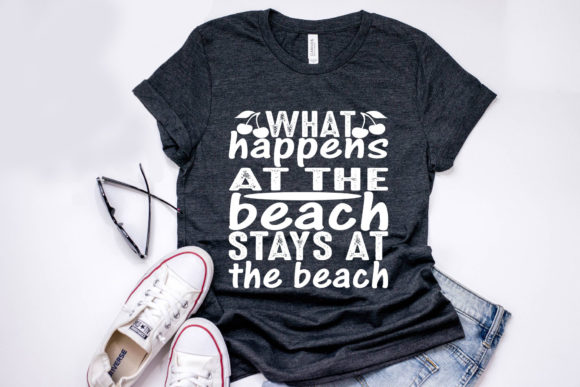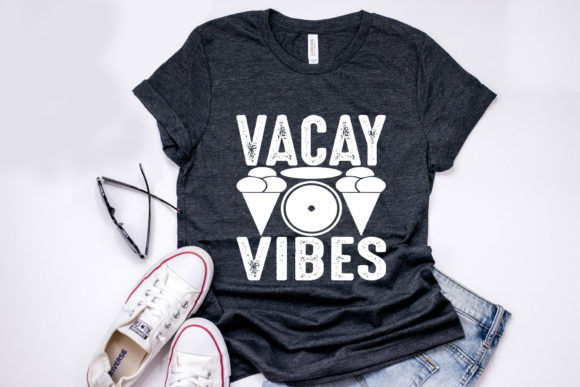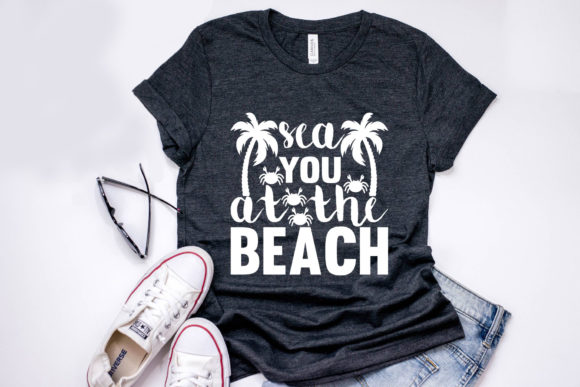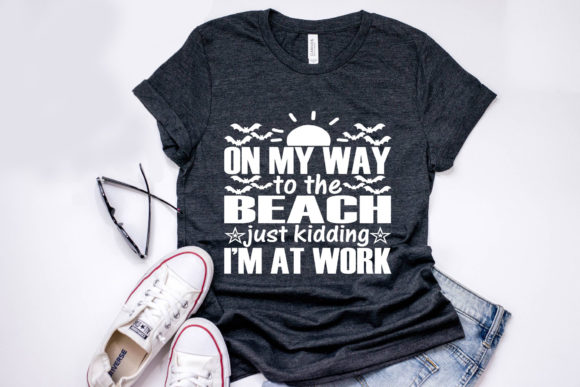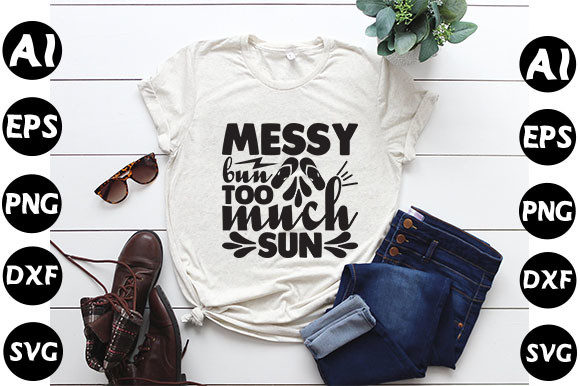
Summer Quote Design, Messy Bun Too Much
A Designer’s First Glance: Light, Lighthearted, and Ready for Real Life
When Summer Quote Design, Messy Bun Too Much landed in my inbox, I didn’t open it to admire pixels—I opened it to imagine thread. As someone who stitches daily for clients, small-batch apparel lines, and handmade gifts, I look past “cute” straight to *stitchable*. This design lands with a relaxed, sun-warmed vibe—curved, breezy lettering, a playful tilt to the words, and just enough visual texture to feel hand-drawn without sacrificing clarity. It’s not fussy. It doesn’t try to be vintage or ultra-minimalist. It feels like a real person wrote it on a napkin at a beachside café—and that authenticity is exactly what makes it work for embroidery.
How It Lives on Fabric: From Tote Bag to Toddler Onesie
Last week, I tested Summer Quote Design, Messy Bun Too Much on a natural linen tote bag for a local boutique launch. The result? Warm, approachable, and unmistakably summery—no over-engineering needed. The phrase flows well across a 4" × 6" hoop area, making it ideal for sweatshirt chest placements, pillow covers, and tea towel hems. On a lightweight cotton baby onesie, it stitched cleanly with medium-weight cutaway stabilizer—no puckering, no skipped letters. That’s critical: this isn’t a dense, high-stitch-count machine embroidery design. It breathes. The spacing between letters allows fabric movement without distortion, and the curves translate beautifully into satin stitch outlines and soft fill areas.
I also ran it as an embroidered patch on twill fabric—heat-applied backing, simple border, zero fraying. Customers responded instantly: “That’s me in July,” one said. That kind of emotional resonance matters more than perfect kerning when you’re building a craft business or listing on Etsy. It’s not just text—it’s a tiny mood anchor.
Where It Shines (and Where to Pause)
Summer Quote Design, Messy Bun Too Much excels in low-to-mid complexity embroidery projects: custom apparel, embroidered patches, aprons, kitchen towels, and personalized gifts for birthdays or baby showers. Its clean line weight holds up on textured fabrics like canvas or terry cloth, and its open layout avoids the “muddy” effect that plagues overly tight fill stitch areas.
But here’s where experience kicks in: avoid using it on stretchy knits without proper stabilizer strategy—or on curved surfaces like cap fronts unless you’ve pre-tested the letter alignment. Tiny hoops (<3") will compress the phrase awkwardly; the “Too Much” portion especially benefits from breathing room. Also, while the design works on dark fabric, test your thread colors carefully—light yellow or cream thread can disappear on navy unless you add a subtle underlay or switch to a higher-contrast tone like coral or white.
Design Assets That Support, Not Complicate
The ZIP includes EPS, SVG, PNG, and DXF files—versatile for both embroidery digitizing and vinyl cutting or scrapbooking. As a designer, I appreciate that the vector formats let me scale without loss, but remember: converting to an embroidery file requires careful digitizing. If you’re sourcing this as a digital embroidery file, confirm whether it’s pre-digitized or needs conversion. The description says “digital clip art files”—so treat it as raw design assets, not plug-and-play embroidery files, unless verified.
What It Does for Your Craft Business—Beyond Aesthetics
This design quietly lifts perceived value. Because it’s legible at glance, friendly in tone, and balanced in proportion, it reads as *intentional*, not generic. That builds trust—especially for Etsy sellers offering personalized gifts or small shop owners curating boutique branding. When a customer sees Summer Quote Design, Messy Bun Too Much stitched neatly on a linen market bag, they don’t think “clip art.” They think “this shop gets me.”
It also supports consistency. Whether you’re using it on a holiday embroidery run (think: matching family beach towels) or as part of a summer-themed product line, its voice stays cohesive—casual but polished, fun but not childish. That helps unify your handmade product offerings without forcing a rigid logo system.
Practical Notes Every Embroiderer Should Run Through
- Always test first—on scrap fabric matching your final project’s weight and stretch.
- Check thread color contrast on both light and dark backgrounds before stitching the final piece.
- Review stitch density—if digitizing yourself, keep fills open and outlines crisp to prevent stiffness on wearable items.
- Confirm hoop size compatibility—this design fits comfortably in standard 4" × 4" and 5" × 7" hoops, but verify before hooping expensive fabric.
- Inspect small details—especially the curve of the “bun” in “Messy Bun.” Is it smooth in your stitch file? Does it hold shape after washing?
- Test black-and-white mockups—they reveal contrast and balance faster than color previews.
- Use appropriate stabilizer—cutaway for knits, tear-away for stable wovens, fusible for lightweight linens.
- Verify licensing—since this is listed as Graphics and T-Shirt Designs, confirm whether commercial use (e.g., selling finished embroidered products or reselling digitized versions) is permitted.
Final Thought: A Summer Staple, Not a Seasonal Gimmick
Summer Quote Design, Messy Bun Too Much isn’t trying to be everything. It’s specific, warm, and quietly confident—like the best handmade products are. It works because it respects the craft: it doesn’t fight the needle, the fabric, or the wearer’s expectation of comfort and charm. Whether you’re embroidering for joy, income, or both, this is the kind of design that earns repeat customers—not because it’s flashy, but because it feels true.